Delhi’s Finest: Meet the Top Kurti Manufacturers Shaping Indian Fashion

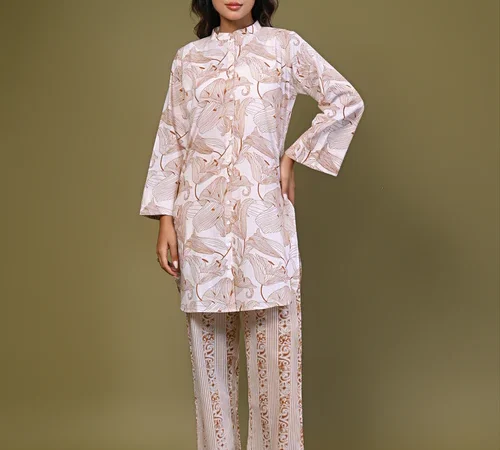
Fashionwise, Delhi is traditionally regarded as the most powerful metropolis in India. The city has become a pillar in the apparel industry of the country due to its vibrant markets, well-known fashion centres, and growing network of textile businesses. Regarding the many Kurti Manufacturers in Delhi, kurtis are particularly notable as a symbol of modernity mixed with legacy. Because of its unmatched versatility, which lets them be worn for daily wear, business attire, and celebratory gatherings as well as other events, they are a staple for Indian females.
Still, the kurti makers are the ones who create the diversity and elegance of these clothes. They are continuously transforming the standards of design and the quality of their produced clothing. These manufacturers not only meet local retail needs but also export Indian cultural clothing to other nations all around. This page features some of the most well-known kurti makers in Delhi, who are really changing the scene of Indian fashion.
The Development Of Delhi As A Kurtis Production Centre
Delhi’s rise as a major hub for textile manufacture is not something that happened overnight. The city’s excellent legacy of craftsmanship, strategic location as a commercial hub, and simple access to raw materials help to explain why it dominates the fashion business. Regarding fashion innovation, Delhi-based producers have pushed the frontiers in a range of ways, from the traditional chikankari-inspired kurtis to the fusion clothes combining Indian embroidery with Western designs.
Industrial clusters including Gandhi Nagar, Karol Bagh, Shahpur Jat, and Lajpat Nagar include several of these sectors. Apart from their renowned retail scene, these areas are also well-known for their back-end operations, which help Delhi’s fashion industry to grow. These activities include sample units, customising seminars, dyeing facilities, and embroidery offices.
A Workmanship Flexible Enough For Modern Needs
What distinguishes Delhi’s kurti manufacturers from others throughout India is their ability to mix modern sensibilities with traditional workmanship. Unlike other areas that could focus on handloom or embroidery-specific techniques, Delhi’s manufacturers are rather flexible. They satisfy people’s tastes all throughout India and even create designs that appeal to consumers from outside.
To satisfy current global trends, some design firms in Delhi, for instance, have included digital printing, ecologically friendly dyes, and smart sizing. Simultaneously, they keep Indian apparel visually appealing by including mirror work, gota patti, and intricate thread work into their designs. Delhi has become a respected partner for ethnic wear stores not just in India but also beyond its boundaries precisely because of its well-rounded approach.
Prominent Names And Industry Leaders
Among the many talented kurti makers, a small handful of businesses have become pioneers in terms of ethical business procedures, quality, and inventiveness. One excellent example of this is the Delhi-based ethnic apparel firm Rangriti, which comes under BIBA. Rangriti is dedicated to maintaining high quality while fulfilling mass market demands. Target demographic for their bright kurti lines, which mix visually appealing patterns with materials allowing air to flow, are young urban women in tier-1 and tier-2 cities.
One such business that really stands out is Libas, which oversees design and manufacture from its Delhi headquarters. Thanks to Libas, which is renowned for its stylish mix-wear, the younger generation now has more chances to encounter Indian fashion. Though keeping cost in mind, their designs are distinguished by a contemporary interpretation of the classic kurti form, which includes flared hems, bell sleeves, and asymmetrical cuts.
Though it is based in Delhi, W for Woman is yet another business that has achieved notable growth throughout the last 10 years. Using its in-house manufacturing techniques and design-forward approach, W has helped kurtis evolve into more office-friendly, wardrobe-flexible clothing. Their works highlight the sensitivities of modern Indians by stressing the need of simple tailoring, basic designs, and muted colour palettes.
Behind The Scenes: The Brilliance Of Small-Scale Businesses
Hundreds of small to medium-sized businesses that provide to boutiques, online retailers, and private labels sustain Delhi’s kurti market. Although the big brands rule retail, these companies also drive the Delhi kurti scene. Most of the time, these producers operate out of modest workshops spread around Seelampur, Okhla, and Gandhi Nagar. They work with seasoned embroidery, sewing, and pattern development masters among artisans.
These small producers stand out from the others as they focus on customising. They can handle big orders with seasonal needs, requests for specific materials, and exact size charts including demands. Made-to- order alternatives provided by certain corporations might also be used by fashion startups and export companies looking to test new concepts without committing large investments.
Many times family-owned and run businesses passed down from generation to generation are these enterprises. They are well aware of the many kinds of textile textures, dye behaviour, and consumer trends as well as of their own. Their thorough awareness of the company enables them to create kurtis of exceptional quality that meet the changing needs of fashion as well as the tastes of classic design.
Kurtis Manufacturing Through Digital Transformation
The Delhi kurtis’ creators have not kept fixed in the face of the evolving technological scene. Many have embraced using digital channels for customer communication, order processing, and business-to—-based marketing. Essential tools for reaching their customer base are now online channels including websites, Instagram profiles, WhatsApp catalogues, and business-to—-marketplaces like IndiaMART and TradeIndia.
Among the many methods these companies are modernising their processes, some include virtual sampling, artificial intelligence-assisted fabric cutting, and online inventory control systems. Several manufacturers also participate in trade expos and fashion shows to make their collections accessible to consumers all across the globe.
Furthermore, the explosion of direct-to– consumer (D2C) businesses has given Delhi’s kurti makers a significant advantage. Many business owners are now working directly with these manufacturers in order to define their own ethnic wear lines. This means that producers are now partners in the paths by which brands are created, not merely back-end vendors.
Environmentally Friendly And Moral Behaviours
Growing numbers of modern kurti buyers are starting to pay more attention to the surroundings; Delhi-based manufacturers are starting to catch up. Many quite successful businesses are investing in eco-friendly solutions like biodegradable packaging, natural dyes, and organic cotton as well as natural colours.
One also finds increasing attention on work ethics. To confirm that they are using ethical employment practices, several manufacturers are looking for third-party certifications or non-governmental organisations (NGRs) in association. This is so because safe working conditions and fair pay are increasingly underlined. Making this development not only from the standpoint of compliance but also helps to build trust for both domestic and global clients.
A Few Notes On The Reasons Delhi Still Is The Centre Of Kurti Fashion
The reasons Kurti Manufacturers in Delhi are so constantly popular are their adaptability, cultural origins, and relentless search for excellence. Whether you are a designer searching for creative collaboration, a fashion enthusiast drawn to ethnic flair, or a retailer looking for consistent information sources, Delhi offers something to everyone.
The kurtis created in this area are not just fashion objects but also reflections of the dynamic fashion evolution that has occurred in India thanks to their rich ecology of large brands, boutique producers, and gifted craftspeople. The kurti manufacturers in Delhi will remain very important in determining trends and setting standards for many years to come as the demand for Indian ethnic wear both domestically and abroad keeps growing.